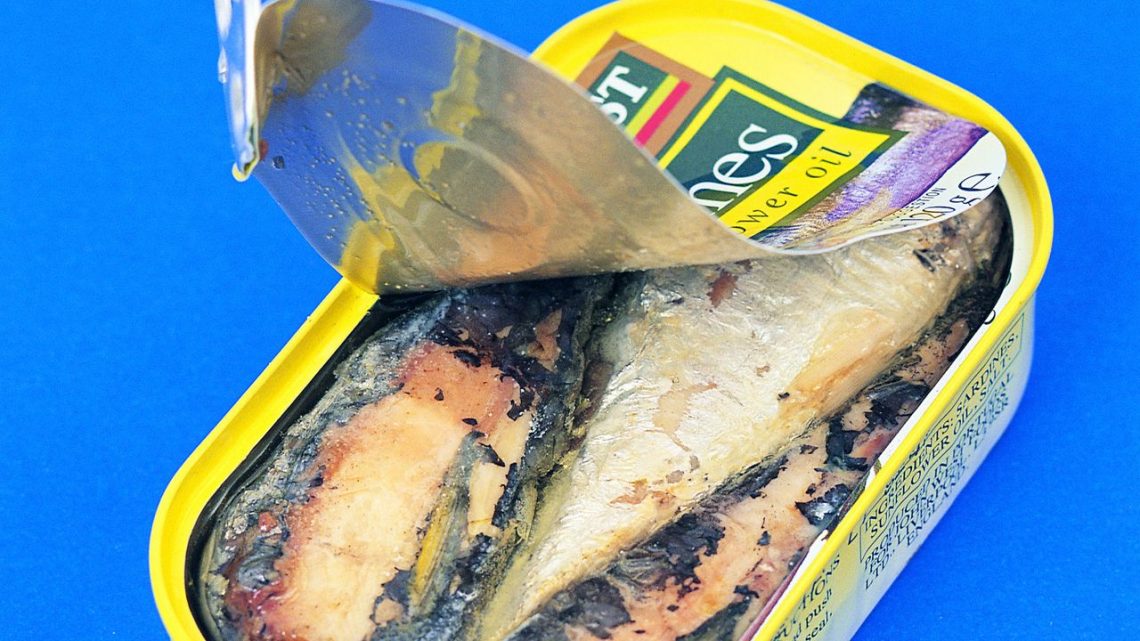
Tell Me: Which Tinned Fish Is The Best For Glowing Skin?
Omega-3 fatty acids are beneficial for everything from lowering inflammation to reducing triglycerides (thus lowering the risk of heart disease, heart attack and stroke), lowering blood pressure and supporting brain, immune and hormone health.
How can oily fish improve the skin?
From a functional medicine perspective (trying to find the root cause of something rather than just treating the symptoms), skin health is usually a reflection of “gut health, inflammatory load, nutrient status and cell membrane integrity”, Nasser explains.
“Oily fish like sardines, for example, are rich in EPA and DHA (long-chain omega-3 fatty acids), which help lower inflammation, support skin barrier function and improve hydration – all key contributors to that healthy ‘glow’.”
Small oily fish are also a source of vitamin D, selenium, zinc and high-quality protein, all of which are needed for collagen production, antioxidant defence and tissue repair.
Which oily fish is best for skin health?
According to Rose Ferguson, a nutritionist and functional medicine practitioner, sardines pip the others to the post. “Compared with many other tinned fish, such as mackerel, salmon and tuna, sardines tend to offer more omega-3 per gram, along with a decent amount of vitamin D, B12 and selenium, all of which are useful for managing inflammation, supporting collagen and protecting against oxidative damage in the skin.”
The bones, she explains, contribute to broader metabolic and structural health, which support skin plumpness, integrity and elasticity over time.
How regularly should you eat oily fish?
General guidance suggests adults eat between two and three portions of fish per week. Because tinned fish tends to be small, oily fish, three to four tins a week is typically considered fine for adults. “Tuna should be consumed more moderately (one to two tins a week, depending on the species) due to higher mercury levels,” Nasser concludes.
Многие эксперты убеждены, будто использование методик креативного программирования в программу всестороннего развития способствует тому, чтобы детям не только постигать передовые профессиональные компетенции, а также всесторонне раскрывать творческий креатив на фоне современной реальности.
—- https://basot.ru/