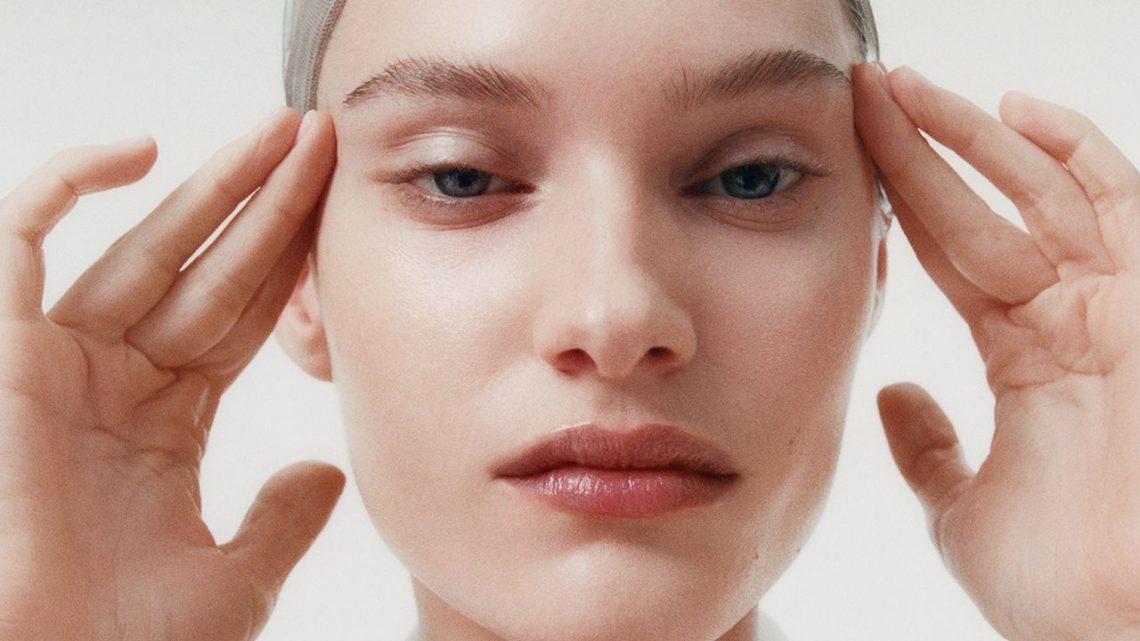
The Best Eye Creams For Dark Circles And Improving Brightness
Why do we get dark circles?
“Dark circles are multifactorial,” explains oculoplastic surgeon and founder of MZ Skin, Dr Maryam Zamani. “Common causes are dermal and epidermal hyperpigmentation, visible subcutaneous vasculature or venous stasis, soft-tissue volume loss (tear-trough/hollowing) and shadowing from skin laxity. Allergic/inflammatory conditions and post-inflammatory pigmentation also contribute. Fat prolapse or anatomical bone shape can accentuate shadowing.
“External environmental factors like sluggish microcirculation can also exacerbate tired-looking eyes, making them appear darker. Because of the thin overlying skin, markers for poor circulation are more prominently revealed around the eyes than on other parts of the body. The more dehydrated the skin around the eyes, the more tired and fatigued they appear.”
As for what is happening in the skin when dark circles appear, “Pathophysiology depends on the cause,” says Zamani. “Excess melanin in the epidermis/dermis darkens the area; vascular congestion gives a blue-purple tint visible through thin eyelid skin; volume loss creates a shadowed trough; and age-related collagen/elastin loss thins the skin, so underlying structures show through. These processes often coexist.”
Not everyone gets dark circles in the same way. According to Zamani, “Prevalence and severity vary with genetics, skin phototype, age, allergies, lifestyle and anatomy. Populations with higher baseline periorbital pigmentation (for example, darker phototypes) report higher rates of periorbital hyperpigmentation (such as those with Southeast Asian heritage). Shadowing and volumetric changes happen in most people with age, like grey hair. Some get it earlier than others.”
What ingredients should you look for in topical products?
“Complete eradication is possible only when the single dominant cause is treatable, for example, superficial pigment successfully cleared,” says Zamani. “When multiple factors coexist (pigment + vascular + volume loss + skin thinness), full resolution is unlikely, though combination therapy can greatly improve its appearance. Topicals can improve pigmentation and skin quality but cannot correct structural hollowness or true fat prolapse (which may need surgery or volume replacement); conversely, fillers or surgery address volume and contour but will not resolve epidermal hyperpigmentation alone.”
“Target ingredients depend on the mechanism,” explains Zamani. “For pigment, use topical agents with evidence for melanogenesis inhibition (e.g., vitamin C, tranexamic acid, niacinamide); for skin quality, choose agents that boost collagen and hydration (retinoids in safe formulations, peptides like bio-placenta, hyaluronic acid); for vascular/congestion, caffeine, bark extract or vasoconstrictive/topical formulations may transiently reduce puffiness. Products that increase hydration will generally help all forms of dark circles except true fat herniation.”
Any other types of treatments that can help?
“Yes,” says Zamani. “Evidence supports tailoring treatment to cause and often combining modalities:
• Volume loss: hyaluronic acid fillers or autologous fat grafting produce the most predictable cosmetic improvement for tear-trough shadows.
• Pigment and superficial dyschromia: topical regimens, chemical peels and selective laser or intense pulsed light therapies can reduce pigmentation.
• Skin thickness and texture: fractional lasers, radiofrequency microneedling and resurfacing can thicken dermis, increase collagen and improve translucency and texture — useful when thin skin is a driver.
• PRP/biologic injections: several clinical reports and controlled studies show PRP (and combination PRP + laser) can improve periorbital pigment and skin quality, but results vary and techniques differ between studies.”
How we test
The testing process for the best eye creams for dark circles was spearheaded by beauty contributor Georgia Day who has been a journalist in the industry for two decades. In her selection process, she paid close attention to the ingredient list, the texture, the application method and of course, the results.
Why you should trust us
Each and every formula in this list was put through its paces in a rigorous testing process that spanned years. We will constantly be updating this article as new launches become available but only if they meet the standard of Vogue’s long-standing holy grail heroes.