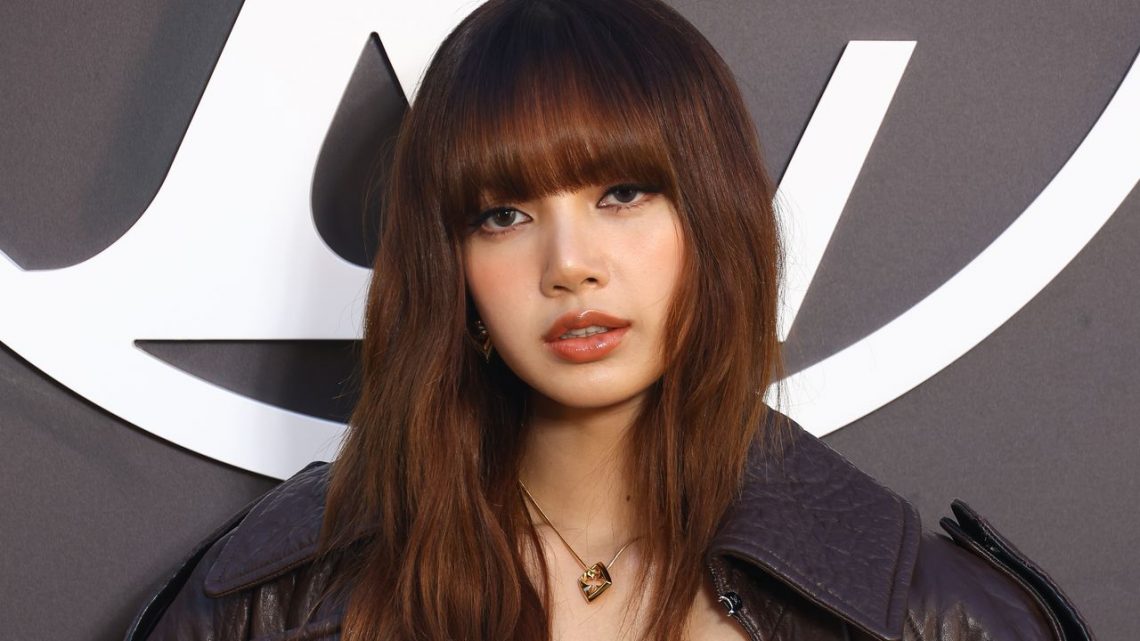
Move Over Balayage, Colour Melting Is Winter’s Prettiest Hair Trend
As we approach 2026, a new kind of hair alchemy has emerged: colour melting. A subtle fusion of balayage and highlights, it doesn’t just brighten hair or add dimension, it makes it vibrate. The depth! The body! The movement! That’s colour melting for you. Here’s everything you need to know about this new art of perfect blending that you’ll want to mention at your January 2026 hair appointment – or even sooner, if you’re following Amal Clooney or Gigi Hadid’s lead.

Peter White/Getty Images
Colour melting is a hair-colouring technique that takes the art of gradation to its apogee. Where balayage and highlights play on light and contrast, colour melting is about creating absolute harmony. The aim is to make the shades slide into each other, without visible demarcation, as if the colour has naturally melted into the fibre.
“Colour melting is a seamless, sun-dripped technique that we do a lot of,” explains Jenna Perry, the Manhattan-based colourist who works with Bella Hadid, Jennifer Lawrence and Chloë Sevigny. “It has a soft and impossibly natural finish that gives effortless and expensive results.”
“Colour melting is all about creating a seamless transition between shades. No lines, no boundaries,” adds Tracey Cunningham, Schwarzkopf Professional’s US creative director of colour and technique. (Who’s behind another celebrity favourite colour, molten brunette.)
“It’s when your root colour, mid-tone, and ends flow together so effortlessly that you can’t tell where one starts and the next begins.”
The approach: apply three to four shades in delicate superimposition, from root to tip, respecting the hair’s natural tone. The colourist works with a brush, and sometimes by hand, in an almost painterly gesture. This creates a fluid transition across your hair strands. In the end, the result evokes a sunset-like quality, reflections blending and responding to one another in perfect balance.
What makes the colour-melting technique different to balayage or highlights?
Unlike highlights, which draw sharp separations, or balayage, which plays on a targeted light effect, colour melting doesn’t isolate or draw emphasis to anything. “Balayage is more about placement and light,” says Cunningham. “It’s a hand-painted technique designed to mimic how the sun naturally brightens the hair. You get those soft ribbons of light that feel organic and lived-in.” Traditional highlights, she adds, “give you more contrast and brightness starting at the root. They’re placed with foils, which gives a stronger lift and a more defined, dimensional effect.”
Can you be more specific about the content of your article? After reading it, I still have some doubts. Hope you can help me.