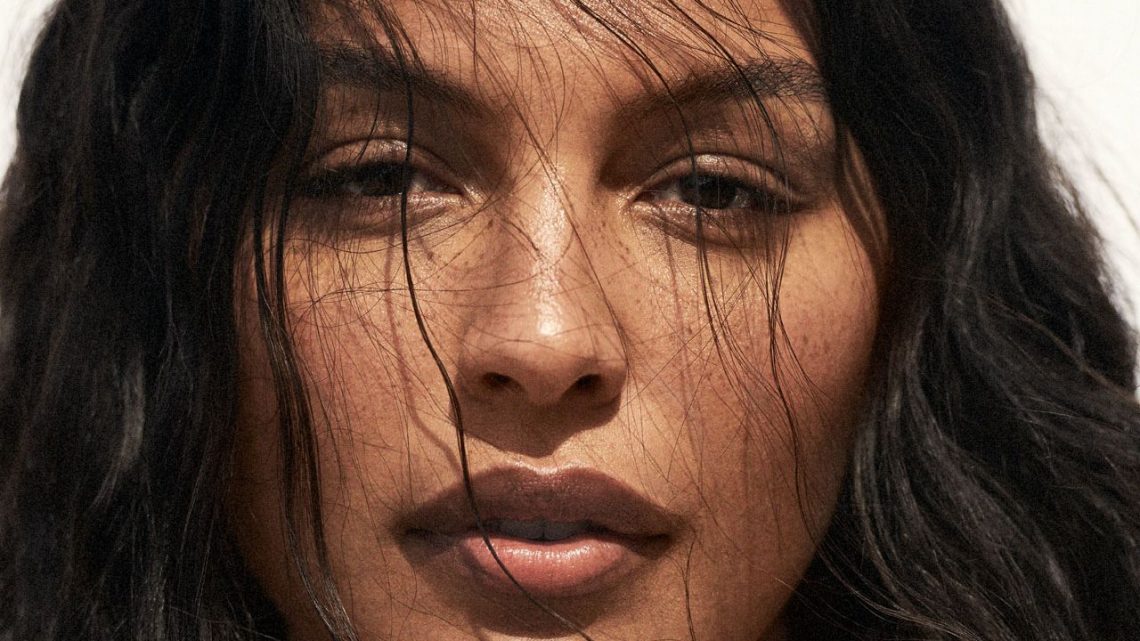
Everything You Need To Know About Haircare For Pregnancy (And What To Use)
Knowing which beauty products you can and can’t use when you’re pregnant can be a minefield, and advice on haircare for pregnancy is no exception. While some ingredients are off the table, many others are not advised if you have sensitivities. To be on the safe side, it’s always best to consult your doctor or healthcare practitioner before you start a new product or haircare regimen.
To help you separate fact from fiction and enjoy healthy, glossy hair all throughout your pregnancy (and beyond), we spoke to some experts. Below, everything you need to know about haircare in pregnancy and some of the products we rate.
Best for sensitive scalps: Philip Kingsley No Scent No Colour Shampoo & Conditioner Duo
How does hair change during pregnancy?
“Many women get thicker hair during pregnancy, especially towards the end of their second trimester,” says consultant trichologist Anabel Kingsley. “You retain more hair on your scalp, and the diameter of individual hairs can also increase. The main driver for these changes is the rise in oestrogen, which keeps strands in their anagen (growth) phase for longer than usual. We experience less daily hair fall, so the overall density of our hair increases. Growth factors and increased blood volume may also play a role. When we are pregnant, we also tend to eat better, take recommended supplements religiously, and tweak the usage of supplements based on regular blood tests. This, in turn, is good for our hair as hair and nutritional status are closely linked.”
Does scalp health change during pregnancy?
“During the first trimester, you may find your scalp becomes oily and itchy due to increased oil production,” adds Kingsley. “You can combat this by regularly shampooing with a cleansing formula or an appropriate anti-dandruff shampoo. During the third trimester, oil production can decrease, which gives your hair more body.”
What vitamins or minerals does your hair require more of?
“Your whole body needs extra vitamins, minerals, energy and protein when you are pregnant,” says Kingsley, “and the same applies to your hair.” Trichologist Hannah Gaboardi explains further. “During pregnancy, your body prioritises growing your baby. This means that your vitamin and iron levels are focused on keeping your organs and general health functioning. Your hair is not left as a priority and lacks the vitamins and nutrients needed for healthy hair. Low iron stores and vitamin deficiencies cause telogen effluvium in women, which is linked to pregnancy and menstruation. This is commonly seen by hair shedding and overall loss of density. It occurs when a large number of hair follicles prematurely enter the telogen (resting) phase of the hair growth cycle and subsequently shed. However, with the correct supplementation, this subsides, and your hair begins the anagen phase (growth phase) again.”
What’s the best way to get more vitamins or minerals?
“An important and easy way to support health regrowth and hair health is through food,” advises Gaboardi. “Food is the easiest source to absorb vital nutrients and vitamins, which our body may be deprived of, but also what is necessary for your hair to grow and remain healthy. Foods high in nutrients like biotin, vitamin E, omega-3 fatty acids, iron, and protein, all of which are known to promote hair health. This will help the overall health of your hair. Taking supplements regularly. Nutrients such as protein, iron, zinc, biotin, vitamins A and E, and omega-3 fatty acids are essential for maintaining healthy hair growth, strength, and texture. Protein, in particular, is a building block for hair, and its deficiency can lead to hair thinning and loss. Iron supports the delivery of oxygen to hair follicles, while zinc aids in hair tissue repair. Biotin is crucial for keratin production, a protein that forms the structure of hair. A diet rich in fruits, vegetables, lean proteins, whole grains, and healthy fats contributes to the overall well-being of hair by providing the necessary nutrients for optimal growth and resilience.”
Any pregnancy myths to debunk?
“That everyone’s hair is fabulous during pregnancy,” says Kinglsey. “Women can experience excessive shedding during pregnancy, particularly in their first trimester. Excessive hair fall during the first trimester is usually due to something that happened pre-pregnancy. For instance, you may have recently stopped an oral contraceptive pill, or perhaps becoming pregnant was a stressful journey. Hair loss doesn’t occur right after the event that caused it; due to the length of the resting stage of the hair growth cycle, it happens approximately three months after the triggering event. Don’t worry, these things are self-limiting! Hyperemesis gravidarum can also cause hair loss throughout pregnancy if it results in nutritional deficiencies. While autoimmune hair loss conditions like alopecia areata actually tend to improve during pregnancy, some women find that their condition is triggered.”
How should your haircare routine change during pregnancy?
“Because you might have more hair than usual, and strands can become thicker, you may need to rethink the products you are using,” advises Kingsley. “Your hair may feel dry or coarser, so reach for products with words such as ‘moisturising’, ‘strengthening’ and ‘hydrating’. Use a pre-shampoo deep conditioning treatment 1-2x per week, like Philip Kingsley Elasticizer, to deeply condition hair and improve manageability. If your scalp becomes oily or itchy, use a cleansing shampoo or an anti-dandruff shampoo. If your scalp feels dry and irritated during your third trimester, which can be due to decreased oil production on the scalp, apply a biome-balancing scalp topical, like our Overnight Scalp Barrier Serum, which contains aloe vera leaf extract, lactic acid, witch hazel, glycerin and oat kernel oil.”
Anything you should avoid using during pregnancy?
“It’s generally thought to be safe to colour your hair during pregnancy, especially once past the first trimester, but always follow the advice of your doctor,” adds Kingsley. “Your immune response can change during pregnancy, so if you are using a hair dye, have a patch test carried out beforehand. Your hair can also respond differently to colour, lifting and lightening in a different way. To prevent hair colour disaster, ask your colourist to test the colour mixture on a small area of hair before they apply it all over.” Gaboardi also advises against harsh chemical treatments: “During pregnancy, there are many things you have to reduce and avoid. If you are using a prescribed medication for hair-loss, you must stop using it,” she adds. “Also, any harsh chemicals like bleach, keratin or relaxers should be avoided during pregnancy. Not only do these have fumes which can be a risk to the baby, but they also damage the hair, which is already more fragile than normal.”
Meet the experts
- Anabel Kingsley is a consultant trichologist and brand president at Philip Kingsley
- Hannah Gaboardi is a trichologist with a clinic in London’s Nobu Hotel